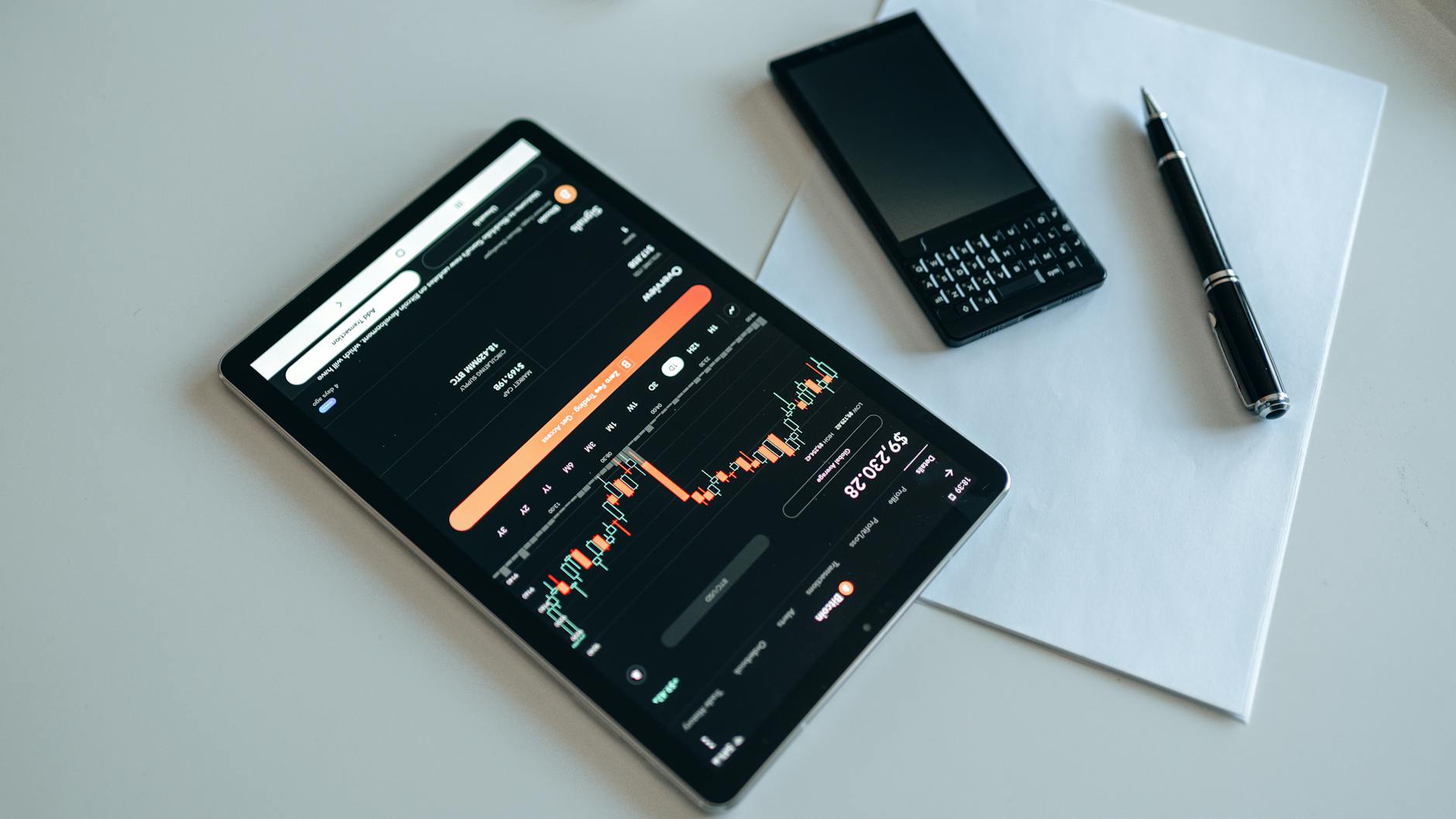
In today’s fast-paced world, technology is not just an accessory; it has become an integral part of our daily lives. From the way we communicate to how we work and entertain ourselves, technological advancements have redefined modern living. With innovations emerging at an unprecedented pace, understanding these trends provides valuable insights into how they influence our social structures, economic activities, and personal interactions.
This article explores ten significant technology trends that are shaping the contemporary landscape, examining their implications and potential future developments. Each trend represents a unique shift in how we engage with the world and each other.
Artificial Intelligence and Automation
Artificial intelligence (AI) continues to be at the forefront of technological advancements. From chatbots enhancing customer service experiences to machine learning algorithms optimizing supply chains, AI is transforming industries. According to a report by McKinsey, nearly 70% of companies are expected to adopt at least one form of AI by 2030. Moreover, automation is reshaping the job market, leading to the creation of new jobs while rendering some obsolete. Understanding the balance between AI-driven efficiency and the human workforce is essential in navigating this transformation.
The Rise of Remote Work Technology
The COVID-19 pandemic accelerated the adoption of remote work technologies. Tools like Zoom, Microsoft Teams, and Slack have become staples for organizations worldwide. According to a survey by Gartner, 74% of CFOs plan to shift some employees to remote work permanently. This shift has not only influenced workplace dynamics but has also sparked discussions around work-life balance, productivity, and employee engagement.
Smart Home Innovations
Smart home technology is another significant trend, with devices like smart speakers, thermostats, and security cameras becoming commonplace. A report from Statista projects that the global smart home market will reach approximately $174 billion by 2025. These innovations provide convenience and efficiency, enabling users to control home systems remotely. However, concerns about privacy and data security also accompany this trend, necessitating a critical examination of how these technologies are implemented.
Health Tech and Telemedicine
The healthcare industry is increasingly leveraging technology to improve patient outcomes. Telemedicine services surged during the pandemic, with a 154% increase in telehealth visits in March 2020 compared to the previous year, according to the CDC. Moreover, wearable technology like fitness trackers and smartwatches is empowering individuals to monitor their health metrics actively. These advancements signify a shift towards personalized healthcare, albeit with challenges related to data privacy and the accessibility of technology.
Blockchain and Cryptocurrency
Blockchain technology is gaining attention beyond cryptocurrency, with applications in supply chain management, identity verification, and voting systems. The global blockchain market is expected to grow from $3 billion in 2020 to over $69 billion by 2027, as reported by Fortune Business Insights. This trend opens up discussions about decentralization and the potential restructuring of traditional financial systems.
5G Technology and Connectivity
The rollout of 5G technology promises to enhance connectivity, offering faster internet speeds and more reliable networks. This advancement is crucial for the Internet of Things (IoT), which connects billions of devices worldwide. According to a report by Ericsson, there will be over 3.5 billion 5G subscriptions by 2026. However, the implementation of 5G also raises concerns about infrastructure costs and potential health implications.
Social Media Evolution
Social media continues to evolve, with platforms like TikTok and Clubhouse reshaping how we connect and consume content. These platforms leverage short-form videos and audio-based discussions, appealing to younger audiences. In 2021, TikTok was the most downloaded app globally, highlighting the shifting landscape of social engagement. The implications for marketing, privacy, and user experience are significant as businesses adapt to this new paradigm.
Sustainable Technology Practices
As awareness of climate change grows, sustainable technology practices are becoming a priority. Companies are increasingly investing in green technologies, such as energy-efficient data centers and electric vehicles. According to a report from the International Energy Agency, the global electric car stock could reach 145 million by 2030. This trend not only addresses environmental concerns but also opens new markets and opportunities for innovation.
Augmented and Virtual Reality
Augmented reality (AR) and virtual reality (VR) are transforming industries from gaming to education. The global AR and VR market is projected to grow from $30.7 billion in 2021 to $300 billion by 2024, according to a report by Research and Markets. These technologies offer immersive experiences that enhance learning and engagement, although widespread adoption is hindered by high costs and technical limitations.
Conclusion
Understanding these technology trends is essential for adapting to the rapid changes in modern life. Each trend presents unique opportunities and challenges that require careful consideration and strategic planning. As technology continues to evolve, staying informed will empower individuals and organizations to leverage these innovations constructively.