In the rapidly evolving landscape of modern life, technology plays a pivotal role in shaping how we interact, learn, and conduct business. From artificial intelligence to smart home devices, the trends influencing our daily experiences are vast and varied. Understanding these trends not only helps individuals stay informed but also enables businesses to adapt and thrive in a digital-first world.
As we navigate through these advancements, it’s crucial to recognize both the benefits and the potential challenges that come with them. Here are some key technology trends that are significantly impacting our everyday lives.
Artificial Intelligence and Machine Learning
Artificial intelligence (AI) and machine learning (ML) are at the forefront of technological innovation. These technologies enable systems to learn from data, improving their performance over time. For instance, AI is transforming customer service through chatbots that provide 24/7 assistance, streamlining interactions while reducing operational costs. According to a report by McKinsey, organizations that implement AI can see productivity increases of up to 40%.
Remote Work Technologies
The COVID-19 pandemic accelerated the adoption of remote work technologies. Platforms like Zoom and Microsoft Teams have become standard in facilitating virtual meetings, while project management tools like Trello and Asana help teams collaborate effectively from different locations. A Gartner survey revealed that 47% of companies intend to allow employees to work remotely full-time, highlighting a long-lasting shift in workplace dynamics.
Smart Home Devices
Smart home technology is another trend gaining momentum. Devices such as smart thermostats, security cameras, and voice assistants (e.g., Amazon Alexa and Google Home) enhance convenience and security in daily living. Research from Statista indicates that the global smart home market is expected to surpass $135 billion by 2025, showcasing growing consumer interest in home automation.
Health Tech Innovations
The health sector is experiencing a technological renaissance with the rise of telemedicine and wearable health devices. Wearables, including smartwatches that track heart rates and activity levels, empower individuals to take charge of their health. The American Telemedicine Association reports that telehealth has increased by 154% during the pandemic, signaling a significant shift in how healthcare is accessed and delivered.
Blockchain Technology
Blockchain technology is revolutionizing industries beyond finance. It provides a decentralized and secure way to conduct transactions and track assets. Sectors such as supply chain management benefit from enhanced transparency and traceability. As per a report from PwC, 61% of executives believe blockchain will be a critical part of their business strategy in the next three to five years.
Augmented and Virtual Reality
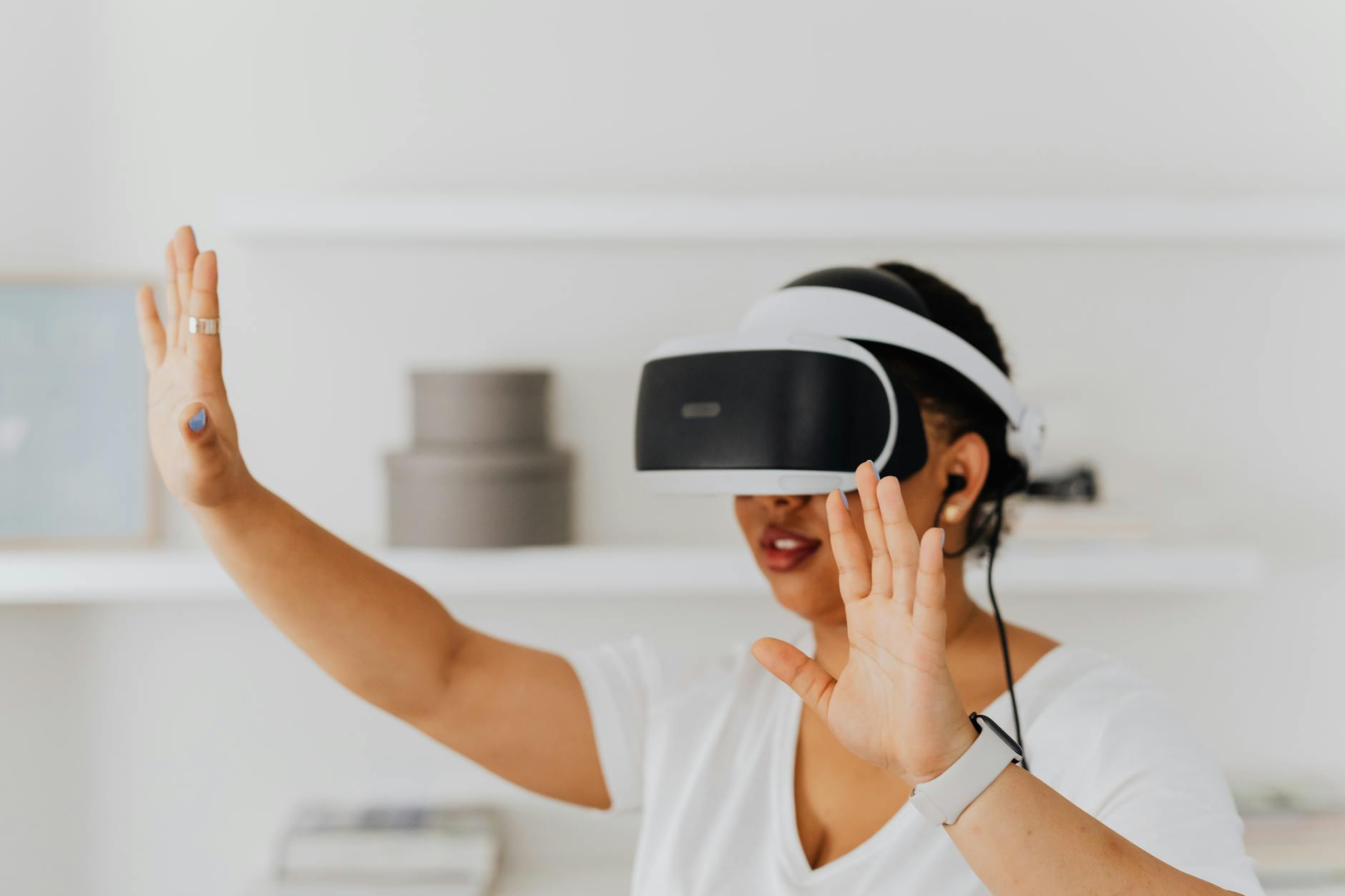
Augmented reality (AR) and virtual reality (VR) are transforming how we experience entertainment and education. AR applications in retail allow customers to visualize products in real environments, while VR is being utilized in training simulations for various fields, from medicine to aviation. The global AR and VR market is projected to exceed $300 billion by 2024, indicating a robust growth trajectory.
Cybersecurity Developments
As technology advances, so do the threats associated with it. Cybersecurity remains a top priority for individuals and organizations alike. With the rise in cyberattacks, companies are investing heavily in security measures. The cybersecurity market is expected to reach $345.4 billion by 2026, according to MarketsandMarkets. This emphasizes the need for robust security protocols in a tech-driven world.
5G Technology
The rollout of 5G technology promises faster internet speeds and more reliable connections. This advancement is crucial for supporting the increasing number of devices connected to the Internet of Things (IoT). The enhanced speed and capacity of 5G networks will enable innovations in autonomous vehicles, smart cities, and advanced manufacturing, fundamentally changing how we live and work.
Personalization Through Big Data
Big data analytics allows businesses to offer personalized experiences to consumers. By analyzing user behavior and preferences, companies can tailor marketing strategies and product offerings effectively. In fact, a study by Epsilon revealed that 80% of consumers are more likely to make a purchase when brands offer personalized experiences, demonstrating the power of data in driving customer engagement.
Conclusion
Understanding these technology trends is essential for adapting to the changing landscape of modern life. As we embrace these advancements, it is important to remain mindful of the implications they carry, ensuring a balance between innovation and ethical considerations. The integration of these technologies into our daily lives not only enhances convenience but also transforms how we interact with the world around us.