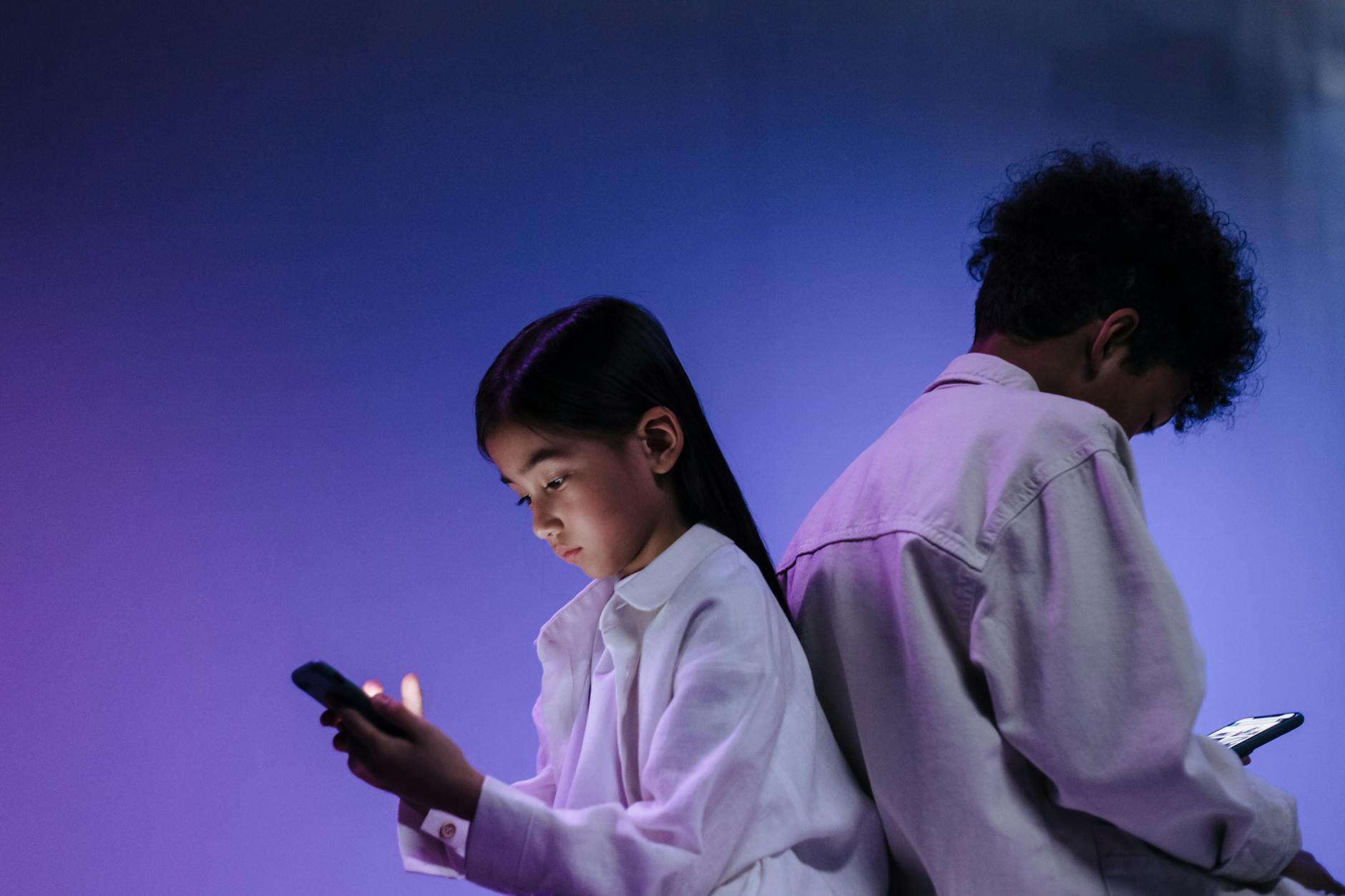
In today’s fast-paced world, technology is not just an accessory but a cornerstone of daily life. The unprecedented rise of digital tools and solutions has transformed how we communicate, work, and even think. Understanding these trends is crucial for anyone looking to navigate the complexities of modern living.
As we delve into the leading technology trends, it becomes clear that the impact extends far beyond mere convenience; these trends are reshaping societal norms, industries, and individual behaviors.
Artificial Intelligence and Automation
Artificial intelligence (AI) continues to revolutionize numerous sectors, from healthcare to finance. For instance, AI-driven diagnostic tools can analyze medical images faster and often more accurately than human radiologists, leading to earlier detection of diseases. In the workplace, automation powered by AI enhances productivity, allowing employees to focus on more complex tasks while routine processes are streamlined.
Remote Work and Digital Collaboration
The COVID-19 pandemic accelerated the shift towards remote work, and this trend is here to stay. Tools like Zoom and Slack have become staples in the professional landscape, enabling seamless communication across vast distances. According to a survey by Buffer, 97 percent of remote workers would like to continue working remotely at least part-time for the rest of their careers. This shift has necessitated new management styles focused on outcomes rather than hours worked.
5G Technology and Connectivity
The rollout of 5G technology represents a significant leap in mobile connectivity, offering speeds up to 100 times faster than 4G. This high-speed internet facilitates advancements in various domains, including smart cities, autonomous vehicles, and the Internet of Things (IoT). As industries leverage 5G, they can enhance their operational efficiency and foster innovation at an unprecedented pace.
Health Tech Innovations
Health technology is evolving rapidly, with wearable devices like smartwatches providing real-time health data. These devices enable users to monitor vital signs and even detect irregular heartbeats. Moreover, telemedicine services have surged, allowing patients to consult with healthcare professionals from the safety of their homes, thus improving access to care.
Sustainability and Green Technology
As climate concerns rise, technology is driving sustainability efforts. Renewable energy technologies, such as solar panels and wind turbines, are becoming increasingly efficient. Smart home devices also play a role in energy conservation, allowing users to monitor and reduce their energy consumption effectively.
Cybersecurity and Data Privacy
As technology becomes more integrated into our lives, the importance of cybersecurity cannot be overstated. With data breaches at an all-time high, individuals and organizations prioritize safeguarding personal information. Innovations in cybersecurity, such as AI-driven threat detection and blockchain technology for secure transactions, are critical in this landscape.
Conclusion: The Future of Technology
Technology trends in modern life are not just fleeting fads; they represent fundamental shifts in how we interact with the world. As advancements continue, staying informed and adaptable will be essential for navigating the future landscape, both personally and professionally. Embracing these changes can lead to enhanced opportunities and a more connected society.