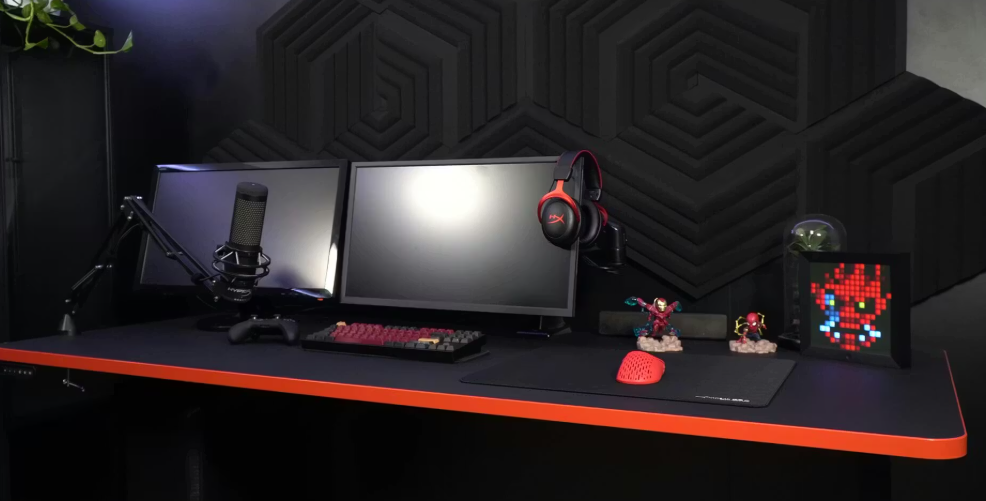
The first time I seriously trained for a long-distance ride, I realized something unexpected. The mindset required to survive a 100 km route felt strangely familiar. It reminded me of tactical gameplay.
At first glance, cycling and strategy-based gaming seem like completely different worlds. One is physically demanding, outdoors, and endurance-driven. The other happens in front of a screen, built on reaction speed, awareness, and decision-making. But the deeper I got into both, the more I noticed the overlap.
Both demand a competitive mindset built on strategy, adaptation, and long-term thinking.
Strategy Before Execution
In tactical games, especially competitive ones, you don’t just rush in. You study the map, evaluate positioning, manage resources, and anticipate opponents. Winning rarely comes from pure aggression. It comes from timing and planning.
Cycling works the same way.
Before a race or even a long training ride, there’s strategy involved. Route selection, elevation profile, wind direction, nutrition timing, pacing plan. Professional cycling teams spend hours analyzing race stages before riders even clip in.
In events like the Tour de France, strategy is often more decisive than raw power. Teams control the peloton, launch breakaways at calculated moments, and conserve energy until the final decisive move. It is essentially tactical gameplay played out on asphalt.
When I started approaching rides with a strategic mindset instead of just “ride hard and hope,” my performance improved noticeably. I stopped attacking climbs too early. I learned to draft behind stronger riders. I understood when to conserve energy and when to push.
It felt exactly like managing resources in a competitive match.
Resource Management Is Everything
In tactical games, you manage health, cooldowns, ammunition, or economy. Use everything too early, and you’re vulnerable later.
In cycling, your resources are power, glycogen, hydration, and mental focus.
The human body only stores a limited amount of glycogen, roughly enough for 60 to 90 minutes of high-intensity effort without refueling. That means pacing and nutrition are critical. Burn too hard at the beginning, and you’ll suffer later. Ignore hydration, and your output drops significantly.
I learned this lesson the hard way during a hilly 120 km ride. I pushed too aggressively in the first half because I felt strong. By the final climbs, my legs felt empty. It was like entering the late game with no resources left.
From that point on, I treated endurance like a strategy match. I asked myself constantly: Is this the right moment to attack? Do I need to conserve? How much do I have left?
Thinking this way changes everything.
Positioning and Awareness
In tactical gameplay, map awareness separates average players from elite competitors. Knowing where opponents are, predicting movement, and positioning yourself advantageously can determine the outcome before the final engagement.
Cycling has positioning too.
In a peloton, wind resistance can be reduced by up to 30 percent when drafting behind other riders. That is a massive advantage. Staying sheltered from crosswinds, choosing the right wheel to follow, and avoiding being boxed in near corners all require awareness.
Professional riders constantly monitor their surroundings. A moment of poor positioning before a climb can mean starting the ascent from too far back, forcing unnecessary energy expenditure to move forward.
The more I rode in groups, the more I realized it felt like a dynamic strategy environment. You are reading other riders’ body language, predicting attacks, and adjusting your placement.
It is tactical thinking in motion.
Adaptability Under Pressure
Competitive gaming often comes down to how well you adapt when things go wrong. Maybe a plan fails. Maybe an opponent surprises you. The best players remain calm and adjust.
Cycling demands the same composure.
Weather shifts. Mechanical issues happen. Your legs might not feel as strong as expected. A planned attack may be neutralized. If you panic, you waste energy.
I once entered a race expecting a steady tempo course. Instead, crosswinds turned the event into a chaotic series of splits. Riders were dropped quickly. The only way to survive was to stay mentally flexible and respond to changes instead of sticking rigidly to the original plan.
That adaptability felt exactly like adjusting tactics mid-game.
Incremental Progression
In many tactical games, improvement is incremental. You refine mechanics, improve decision-making, and gradually increase consistency. There’s rarely a single breakthrough moment.
Cycling mirrors this process.
Performance gains often come from small adjustments. Better cadence control. More efficient pedaling technique. Smarter fueling strategies. Aerodynamic improvements. Even bike fitting can increase comfort and power output over long distances.
Studies have shown that even a small aerodynamic improvement can save significant energy over long distances. Marginal gains, a concept popularized by professional teams like Team Sky, emphasize that tiny improvements across multiple areas add up to major performance differences.
That philosophy applies perfectly to both cycling and competitive gameplay.
The Psychological Edge
Perhaps the strongest connection between cycling and tactical gaming lies in mental resilience.
Endurance riding tests patience. Long climbs test discipline. Racing tests emotional control. The same is true in high-level competitive environments, where frustration, overconfidence, or hesitation can cost you the match.
A competitive mindset means staying composed. It means thinking clearly under stress. It means playing the long game instead of chasing short-term gratification.
I’ve had rides where quitting would have been easier. But pushing through discomfort builds something deeper than fitness. It builds mental toughness.
That same toughness appears when grinding through difficult matches, learning from losses, and coming back stronger.
Final Thoughts
Cycling and tactical gameplay may exist in different physical spaces, but the mindset behind them is surprisingly aligned.
Both demand planning before action.
Both reward resource management.
Both require positioning and awareness.
Both test adaptability.
Both rely on incremental improvement.
Most importantly, both cultivate discipline.
When I started treating cycling not just as exercise but as a strategic challenge, my approach shifted. Every ride became a session of decision-making. Every climb became a calculated move.
And that shift made riding far more engaging.
At the end of the day, competition is not just about strength or speed. It is about thinking ahead, managing what you have, and executing at the right moment.
Whether on the road or in a tactical arena, the mindset remains the same.
Play smart. Ride smart. Win smart.